Samosas, parottas, naan, cakes and biscuits are just a few of the foods made with maida. It is a familiar ingredient in Indian kitchens, but questions about its nutritional value, how it is processed and whether it is healthy are common. So, what exactly is maida, and how is it different from whole wheat flour?
In this guide, we explain what maida is, how it is made, its nutritional value per 100 g, its common uses in cooking, and what to know about including it in your everyday diet.
What Is Maida?
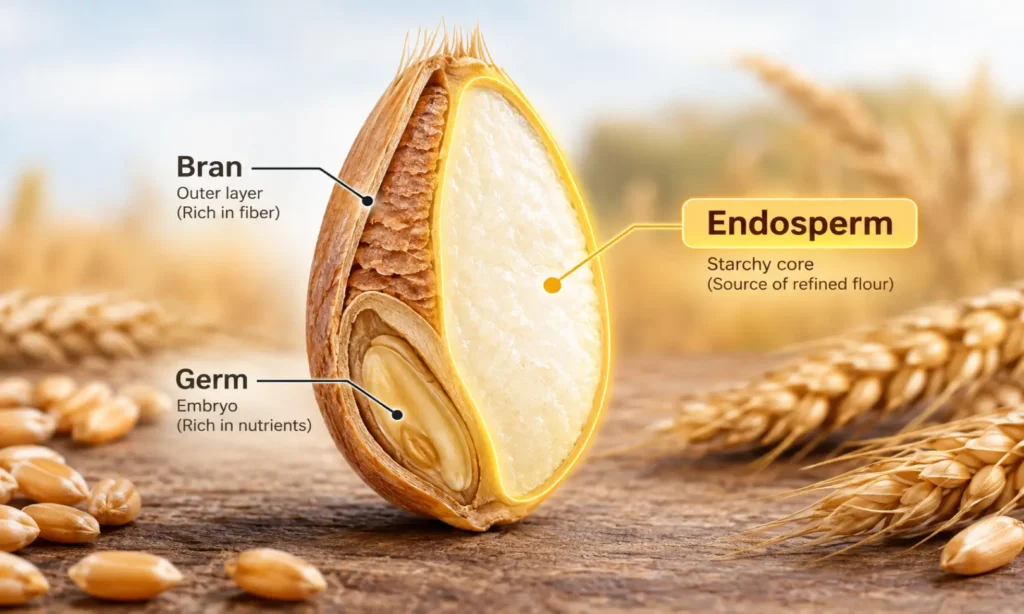
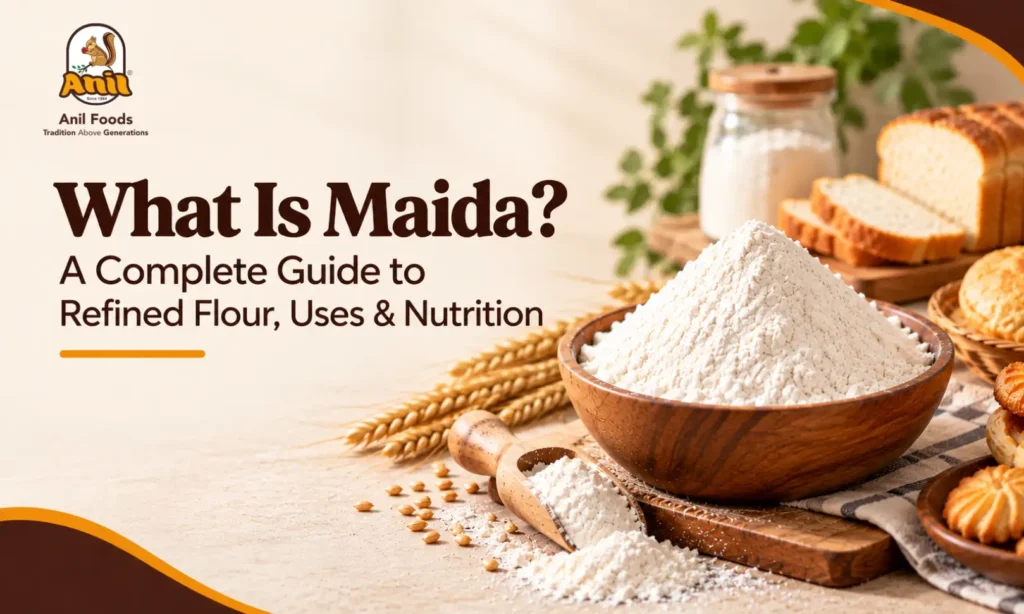
Maida is a fine, white flour made from wheat after the bran and germ are removed. It is also called refined flour or all-purpose flour. You will find it in samosas, naan, parotta, bread, cakes and many other everyday foods. Many people still wonder how maida is made, what nutrition it has and whether it is safe to eat. This guide answers all of that in simple language.
What Is Maida in English?
People often search for “maida in English.” The answer is refined flour or white flour. In the US and UK, the closest equivalent is all-purpose flour (or “plain flour” in the UK).
How Is Maida Made?
The process is simple:
- Cleaning: Wheat grains are cleaned to remove dust and impurities.
- Milling: The grains are crushed and passed through rollers.
- Sifting: The bran and germ are separated from the endosperm.
- Fine grinding: The endosperm is ground into a very fine powder.
- Optional treatment: Some manufacturers bleach or treat the flour to make it whiter and improve dough quality. If you prefer to avoid this, check the pack for “unbleached” or “no added bleaching agents.”
This is why maida feels so soft and looks so white.
Maida Nutrition:
Approximate values for 100 g of maida (these vary slightly by brand and wheat variety):
| Nutrient | Approx. amount |
|---|---|
|
Energy
|
340–350 kcal
|
|
Carbohydrates
|
73–76 g
|
|
Protein
|
10–11 g
|
|
Fat |
Less than 1 g
|
|
Dietary fibre
|
Around 0.3–2 g
|
What this tells us: maida is mostly carbohydrate and low in fibre. Removing the bran and germ also removes much of the natural B vitamins, minerals and fibre found in whole wheat. Some brands add iron, folic acid and other nutrients back, so check the label.
Uses of Maida in Cooking
Maida is popular because it gives food a soft, smooth texture and a light crumb. Common uses include:
- Breads and baked goods: bread, buns, pizza base, cakes, cookies, biscuits
- Indian breads: naan, kulcha, bhatura, parotta, rumali roti
- Snacks and fried foods: samosa, kachori, mathri, momos, spring roll wrappers
- Sweets: gulab jamun, jalebi, balushahi, shakarpara
- Thickening: white sauce, gravies, soups
- Coating: a thin layer for batter-fried dishes
If you love soft layered parottas or bakery-style cakes, maida is hard to replace. Its low bran content lets gluten develop easily, which gives dough its stretch and softness.
Maida vs All Purpose Flour
Both are refined wheat flours with a similar texture. In India, maida is the everyday name, while all-purpose flour is the term used in international recipes. You can usually swap them one-to-one, though protein levels may vary slightly between brands.
Is Maida Bad for You?
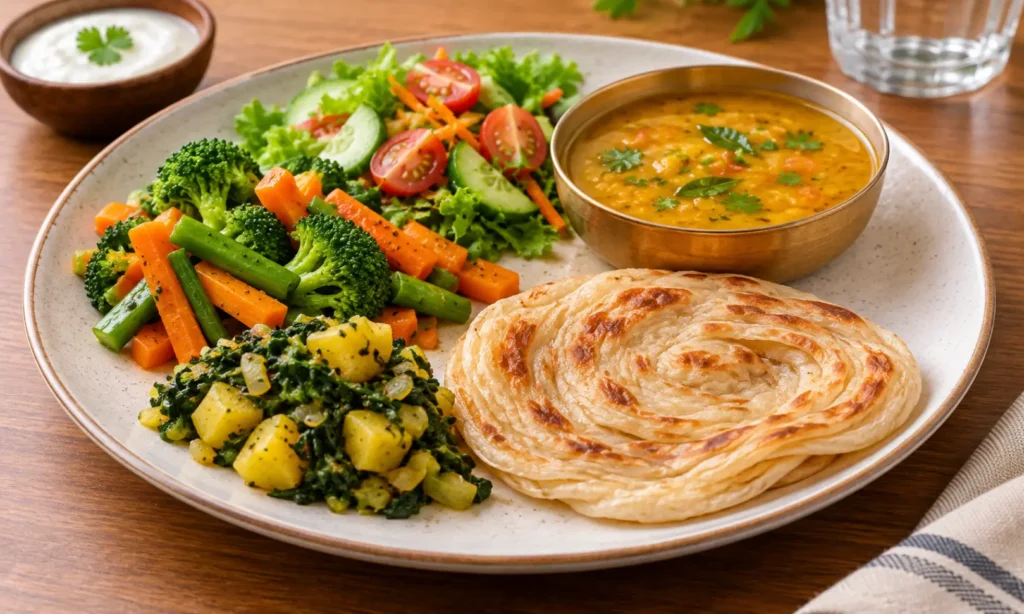
The honest answer is: it depends on how much and how often you eat it.
Why maida gets a bad reputation:
- It is low in fibre, so it digests quickly and can raise blood sugar faster than whole grains.
- It can leave you feeling hungry sooner.
- Many maida-based foods (biscuits, fried snacks, instant noodles) are also high in oil, sugar or salt.
What the balanced view says:
- Eating maida occasionally in a home-cooked meal is not harmful for most healthy people.
- Problems usually come from eating refined flour products daily and in large amounts.
- People with diabetes, high blood sugar or weight concerns should limit it and talk to a doctor or dietitian.
For general guidance on food safety and labelling, you can refer to the FSSAI.
Simple Ways to Eat Maida More Healthily
You don’t have to quit maida completely. Try these small changes:
- Mix flours: combine maida with whole wheat, ragi or millet flour in rotis, dosas and baked items.
- Control portions: enjoy parotta, naan or cake as an occasional treat, not a daily staple.
- Add fibre: pair maida dishes with vegetables, dal, salad or curd.
- Cook smart: bake or steam instead of deep-frying when possible.
- Read labels: choose brands that are clean, hygienically packed and clearly labelled.
How to Choose and Store Good Quality Maida
When buying:
- Choose a trusted brand with FSSAI certification.
- Look for a creamy white colour. Very bright white can sometimes mean heavy bleaching.
- Check the manufacturing and expiry dates.
- Make sure the pack is sealed and free of moisture.
When storing:
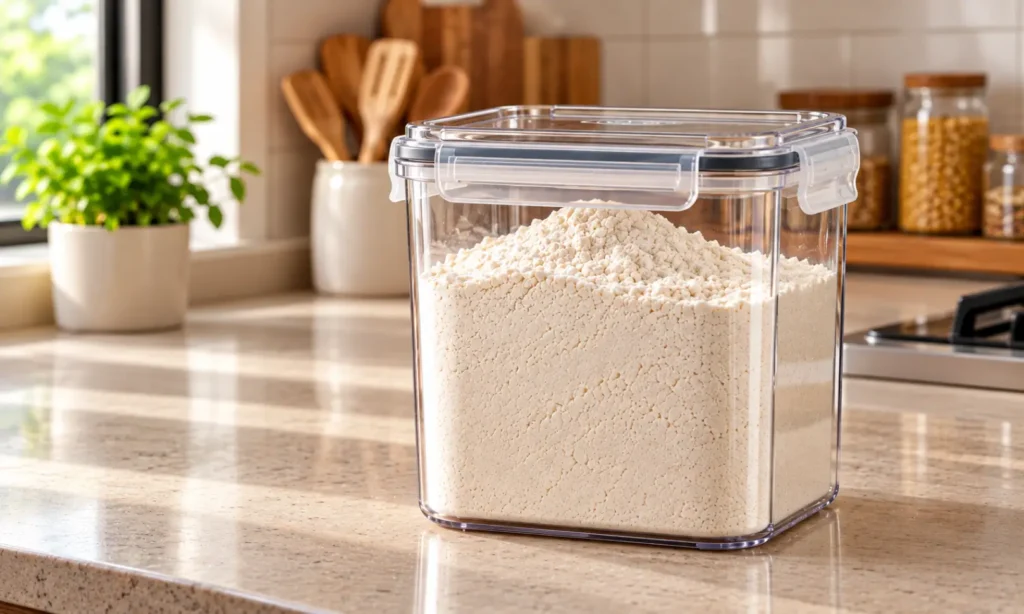
- Keep it in an airtight container in a cool, dry place.
- Keep it away from moisture and direct sunlight.
- Don’t mix fresh flour with old flour.
- Use within the recommended time on the pack to avoid insects and a stale smell.
Looking for a reliable everyday option? Anil Maida is backed by Anil Foods’ experience since 1984 and is made for soft parottas, fluffy cakes and crisp snacks.
Final Thoughts
Maida is a refined wheat flour that plays an important role in many Indian recipes, from soft parottas and naan to cakes, biscuits and traditional sweets. Its fine texture makes it useful in cooking and baking, but its low fibre content is worth keeping in mind when planning everyday meals.
The key is to consider how much maida you eat and how often you include it in your diet. Pairing maida-based dishes with vegetables, pulses and other fibre-rich foods, while choosing whole grains regularly, can help you maintain a more balanced eating pattern.
Whether you are preparing everyday snacks or baking something special, choosing a flour that suits your recipe makes a difference.
More Guides from Anil Foods
Frequently Asked Questions
1. What is maida made of?
Maida is made from wheat. Only the starchy endosperm of the grain is used, and the bran and germ are removed.
2. What is maida called in English?
Maida is called refined flour, white flour, or all-purpose flour (plain flour in the UK).
3. Is maida the same as all-purpose flour?
They are very similar and can usually be swapped in recipes, though protein levels may vary slightly between brands.
4. Is maida bad for health?
Occasional use is generally fine. Regular, high intake of maida-heavy foods can be a concern because of low fibre and quick digestion.
5. Is maida good for weight loss?
Not really. It is low in fibre and may not keep you full for long, so people trying to lose weight usually do better with whole grains.
6. Can diabetics eat maida?
It is better to limit it, since refined flour can raise blood sugar quickly. Diabetics should check with their doctor or dietitian.
7. Is maida gluten-free?
No. Maida comes from wheat, so it contains gluten.
8. What can I make with maida?
You can make parotta, naan, bhatura, samosa, cakes, biscuits, bread, momos and many sweets.
9. How long can maida be stored?
Stored in an airtight container in a cool, dry place, it usually stays good for several months. Always follow the date on the pack.
Table of Contents