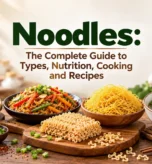

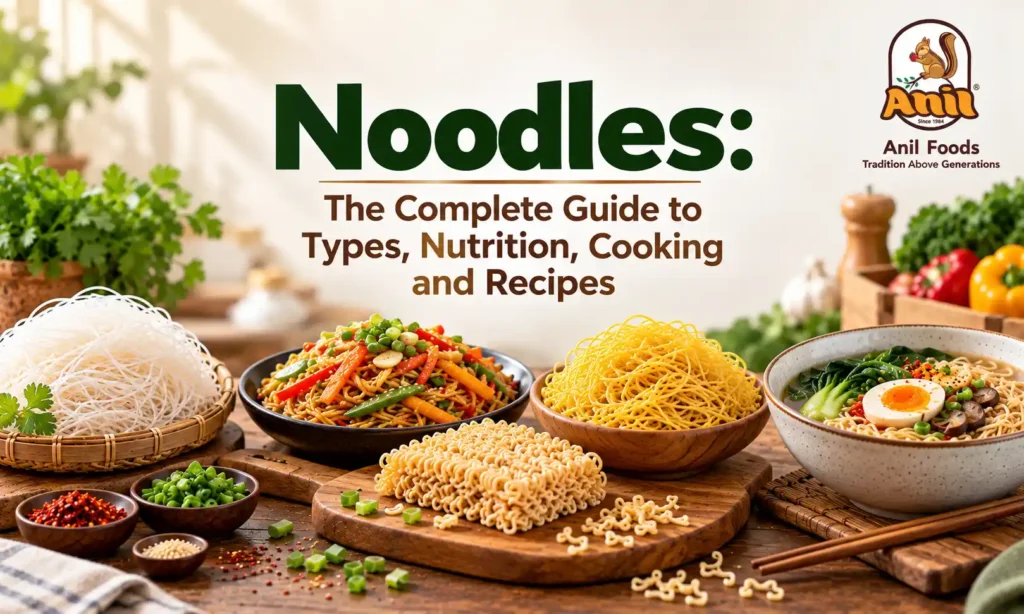
Few foods are as easy to customize as noodles. They can become a quick breakfast, a lunchbox favourite, an easy dinner or a comforting bowl of food when you want something simple and satisfying.
But noodles are much more than the familiar instant variety. Across different cuisines, noodles come in different shapes, sizes, ingredients and textures. Wheat noodles, rice noodles, egg noodles, Hakka noodles, soba and many other varieties are used in everything from soups to stir-fries.
If you have ever wondered what noodles are made of, how many calories noodles contain, which types of noodles are available, how to cook noodles properly or what noodle recipes you can try at home, this guide covers it all.
What Are Noodles?
Noodles are long strands or strips of dough or starch-based ingredients that are generally boiled, steamed or cooked in a broth or stir-fried with other ingredients.
Depending on the variety, noodles can be made using wheat flour, rice flour, buckwheat, eggs, mung bean starch and other ingredients. Their ingredients and preparation methods vary across regions and cuisines.
This variety is one of the reasons noodles are so versatile. Thin noodles can work well in soups, while thicker varieties may be better suited to stir-fries or hearty noodle bowls.
A Brief History of Noodles
Noodles have been part of food traditions across Asia for centuries and have become popular worldwide. Different regions developed their own noodle-making techniques based on locally available ingredients and cooking traditions.
Today, noodles are enjoyed in many forms, from Japanese ramen and udon to Chinese-style wheat noodles, rice noodles used across Southeast Asian cuisines and popular Indo-Chinese dishes such as Hakka noodles.
The result is a huge variety of noodles with different ingredients, textures, cooking times and uses.
Popular Types of Noodles
One of the easiest ways to understand noodles is to group them according to their ingredients and culinary use.
1. Wheat Noodles
Wheat noodles are made primarily from wheat flour and water, with some varieties containing additional ingredients such as eggs.
They are commonly used in Asian soups, stir-fries and noodle dishes. Their texture can range from soft and delicate to firm and chewy depending on the variety and cooking method.
2. Rice Noodles
Rice noodles are generally made from rice flour and water. They are available in different shapes and widths, from fine rice vermicelli to wider flat noodles.
They are commonly used in soups, salads and stir-fried dishes.
3. Egg Noodles
Egg noodles are made with wheat flour and eggs, giving them a characteristic yellow colour and a springy texture.
They are commonly used in soups and stir-fried dishes where a slightly richer texture is preferred.
4. Hakka Noodles
Hakka noodles are popular in Indo-Chinese cuisine and are commonly used in stir-fried noodle dishes with vegetables, sauces and seasonings.
The noodles are generally cooked first and then tossed with ingredients such as cabbage, carrots, capsicum, spring onions and sauces.
For an easy homemade Indo-Chinese meal, Anil Hakka Noodles can be used to prepare a quick stir-fry.
5. Instant Noodles
Instant noodles are designed for convenience and quick preparation. They are generally pre-cooked and dried, allowing them to be prepared within minutes.
They can be enjoyed on their own or combined with vegetables, eggs or other ingredients to create a more varied meal.
6. Soba Noodles
Soba is a Japanese noodle traditionally associated with buckwheat. Depending on the product, soba may contain buckwheat alone or a combination of buckwheat and wheat.
It has a distinctive flavour and can be served hot or cold.
7. Udon Noodles
Udon is a thick Japanese wheat noodle known for its soft and chewy texture. It is commonly served in hot broths but can also be used in stir-fried dishes.
8. Glass Noodles
Glass noodles are made from starches such as mung bean or other starch sources. They become translucent after cooking and have a slippery, delicate texture.
They are often used in soups, salads and stir-fried dishes.
Noodles Nutrition: What Do Noodles Contain?
The nutritional value of noodles depends heavily on the type of noodle, ingredients used, serving size and preparation method.
Approximate Nutrition in 100 g of Cooked Plain Wheat Noodles
Values are approximate and can vary by noodle variety, ingredients, brand and preparation method. For a broader understanding of balanced eating and daily nutritional requirements, refer to the ICMR-National Institute of Nutrition’s Dietary Guidelines for Indians. As a general reference, 100 g of cooked plain wheat noodles may provide approximately:
| Nutrient | Approx. Amount per 100 g |
|---|---|
|
Calories |
138 kcal
|
|
Carbohydrates |
25–27 g |
|
Protein |
4–5 g |
|
Total Fat
|
2–3 g |
|
Dietary Fibre |
1–2 g
|
|
Sugar |
1–2 g
|
|
Sodium |
20–50 mg |
|
Calcium |
10–20 mg
|
|
Iron
|
1–1.5 mg
|
For packaged noodles, always check the nutrition information, ingredient list and serving size on the product label. Food labelling requirements in India are governed by the Food Safety and Standards Authority of India (FSSAI). You can refer to the FSSAI Labelling and Display Regulations for more information.
How Many Calories Are in Noodles?
One of the most searched questions about noodles is: How many calories are in noodles?
There is no single calorie number for all noodles.
Calories can vary according to:
- Type of noodle
- Ingredients used
- Dry or cooked weight
- Serving size
- Amount of oil used
- Sauces and seasonings
- Meat, eggs or other toppings
For example, a simple serving of noodles will generally have a different calorie value from a fried noodle dish containing oil, sauces and additional ingredients.
This is why it is better to check the nutrition label for packaged noodles rather than assuming that every noodle variety contains the same number of calories.
Which Noodles Are Gluten-Free?
Some noodles, however, are made using naturally gluten-free ingredients such as rice or certain starches.
| Noodle Type | Gluten-Free? | Common Ingredient |
|---|---|---|
|
Rice Noodles |
Yes, usually |
Rice flour |
|
Glass Noodles |
Usually |
Mung bean or other starch |
|
Sweet Potato Noodles |
Usually |
Sweet potato starch
|
|
100% Buckwheat Soba
|
Yes, if certified
|
Buckwheat |
|
Wheat Noodles |
No |
Wheat flour
|
|
Hakka Noodles |
Usually no |
Wheat flour
|
|
Egg Noodles
|
Usually no
|
Wheat flour and egg |
|
Udon Noodles |
No |
Wheat flour |
|
Ramen Noodles |
Usually no |
Wheat flour |
Noodles vs Instant Noodles: What's the Difference?
| Feature | Regular noodles | Instant noodles |
|---|---|---|
|
Preparation |
Usually cooked separately |
Designed for quick preparation |
|
Cooking time |
Varies |
Usually very short |
|
Seasoning |
Added separately |
Often included
|
|
Customisation
|
High
|
High, but depends on product |
|
Nutrition |
Depends on type |
Depends on noodle + seasoning |
Benefits of Noodles
Noodles can be a convenient and versatile part of a varied diet. Their biggest advantage is their flexibility: you can combine them with vegetables, protein sources and different seasonings to create many different meals.
1. Quick and Convenient
Many noodle varieties cook in a relatively short time, making them useful when you need a quick meal.
2. Easy to Customise
Noodles can be paired with vegetables, eggs, tofu, paneer, chicken or other ingredients according to your preference.
3. Versatile Across Cuisines
Noodles can be used in soups, stir-fries, salads and many regional dishes.
4. Different Varieties Offer Different Nutritional Profiles
Choosing different noodle varieties can add variety to your meals. The nutritional value depends on the ingredients used, so checking the product label is important.
5. Suitable for Creative Home Cooking
From simple vegetable noodles to spicy Hakka noodles, there are countless ways to customise a noodle dish according to your taste.
Tip: Rather than thinking about noodles alone, consider the whole plate. Adding vegetables and a suitable protein source can help create a more varied and satisfying meal.
How to Cook Noodles Perfectly
Cooking noodles properly can make a big difference to their texture.
Step 1: Boil Enough Water
Use enough water to give the noodles room to cook without sticking together.
Step 2: Add the Noodles
Add the noodles to boiling water and cook according to the instructions on the package.
Step 3: Stir Gently
Stir occasionally while cooking to help separate the strands.
Step 4: Check the Texture
Do not rely only on the cooking time. Taste a strand near the end of cooking to check whether it has reached your preferred texture.
Step 5: Drain Well
Once cooked, drain the noodles thoroughly.
For noodles that will be stir-fried, avoid leaving them sitting in water after they are cooked.
Step 6: Add to Your Dish
Toss the cooked noodles with vegetables, sauces, seasonings or other ingredients and serve immediately.
How to Prevent Noodles From Becoming Sticky
Sticky noodles can make a good dish less enjoyable. Try these simple tips:
- Do not overcook the noodles.
- Use enough water while boiling.
- Stir gently during cooking.
- Drain immediately once they are cooked.
- Avoid leaving cooked noodles submerged in water.
- For stir-fries, toss the noodles with the other ingredients soon after draining.
The exact method can vary depending on the noodle variety, so always follow the instructions provided on the package.
Common Mistakes to Avoid When Cooking Noodles
Overcooking
Cooking noodles for too long can make them soft and mushy.
Using Too Little Water
Crowded noodles can stick together and cook unevenly.
Adding Too Much Oil
If you are stir-frying noodles, use enough oil to cook the ingredients without making the dish unnecessarily greasy.
Adding Sauce Without Considering the Ingredients
Sauces can significantly change the flavour and nutritional profile of a noodle dish. Add them gradually and adjust according to taste.
Ignoring the Cooking Instructions
Different noodle varieties require different cooking times. Always check the package instructions.
How to Make Noodles More Balanced
Noodles become much more interesting when you build a complete dish around them.
Try adding:
Vegetables:
Carrot, cabbage, capsicum, beans, mushrooms, broccoli or spring onions.
Protein:
Eggs, tofu, paneer, chicken, fish or other protein sources according to your preference.
Flavour:
Garlic, ginger, pepper, chilli, spring onions, soy sauce or other seasonings.
A simple formula is:
Noodles + vegetables + protein + flavour = a more varied noodle meal.
How to Store Noodles
Dry Noodles
Keep unopened dry noodles in a cool, dry place away from direct sunlight and moisture.
Once opened, seal the package properly to protect the noodles from moisture and contamination.
Cooked Noodles
Cooked noodles should be handled and refrigerated promptly if they are not going to be eaten immediately. Store them in a clean, covered container and follow safe food-handling practices.
Always check the package instructions for product-specific storage information.
Easy Noodle Recipes to Try at Home
Noodles are incredibly versatile, which means you do not need complicated ingredients to prepare an enjoyable meal.
1. Vegetable Noodles
A simple vegetable noodle dish is perfect for a quick lunch or dinner.
Ingredients:
- Noodles
- Carrot
- Cabbage
- Capsicum
- Spring onion
- Garlic
- Soy sauce
- Pepper
- Oil
Method:
Cook the noodles according to the package instructions and drain well. Heat oil in a wok or pan and sauté garlic and vegetables. Add the cooked noodles, soy sauce and pepper. Toss everything together and serve hot.
2. Hakka Noodles
For a quick Indo-Chinese-style meal, prepare Hakka noodles with colourful vegetables and your preferred sauces.
Use Anil Hakka Noodles as the noodle base and add cabbage, carrot, capsicum and spring onions for a simple stir-fry.
3. Spicy Noodles
If you enjoy bold flavours, toss cooked noodles with garlic, chilli, pepper and vegetables. Adjust the spice level according to your preference.
4. Egg Noodles
For a quick protein addition, scramble an egg separately and toss it with cooked noodles and vegetables.
5. Noodle Soup
Cook noodles in a light broth with vegetables, herbs and your preferred protein. This makes a comforting meal, especially on cooler days.
Anil Noodles for Quick and Easy Meals
When convenience matters, Anil Noodles offer a simple way to prepare a quick noodle meal at home.
Anil Noodles are available in different pack sizes and are designed for quick preparation. The product page also recommends adding fresh vegetables to create a more varied dish.
For those who enjoy Indo-Chinese flavours, Anil Hakka Noodles are another option. They are positioned as springy, non-sticky noodles designed for Indo-Chinese-style dishes.
Frequently Asked Questions
1. Are noodles healthy?
Noodles can be included as part of a varied diet. Their nutritional value depends on the ingredients, serving size and how the dish is prepared. Adding vegetables and a suitable protein source can make the meal more varied.
2. How many calories are in noodles?
The calorie content varies depending on the noodle type, serving size and preparation method. For packaged noodles, check the nutrition information on the label for the most accurate product-specific information.
3. Which are the most popular types of noodles?
Popular varieties include wheat noodles, rice noodles, egg noodles, Hakka noodles, instant noodles, soba, udon and glass noodles.
4. How do you cook noodles without making them sticky?
Avoid overcooking them, use enough boiling water, stir gently while cooking and drain them immediately once they reach the desired texture.
5. Can I add vegetables to noodles?
Yes. Vegetables such as cabbage, carrot, capsicum, beans, mushrooms and spring onions can be added to noodle dishes.
6. What is the difference between noodles and Hakka noodles?
Hakka noodles are a particular style of noodle commonly used in Indo-Chinese cooking. The term “noodles” is broader and includes many varieties made from different ingredients and used in different cuisines.
7. How should dry noodles be stored?
Keep unopened dry noodles in a cool, dry place away from moisture and direct sunlight. After opening, reseal the package properly.
8. What can I make with noodles?
You can prepare vegetable noodles, Hakka noodles, spicy noodles, egg noodles, stir-fried noodles and noodle soups using different combinations of vegetables, proteins and sauces.
Final Thoughts
Noodles are more than just a quick meal. With so many varieties, cooking styles and recipe combinations, they can easily become part of a diverse home-cooking routine.
The key is to understand the type of noodles you are using, follow the correct cooking method and pair them with ingredients that complement the dish.
Whether you prefer a simple bowl of noodles, a colourful vegetable stir-fry or Indo-Chinese-style Hakka noodles, there is always another combination to try.
For a quick and convenient option, explore Anil Noodles and Anil Hakka Noodles and turn everyday meals into something delicious and easy to prepare.
Explore Anil Foods Noodles and Hakka Noodles and discover your next favourite noodle recipe.
Table of Contents