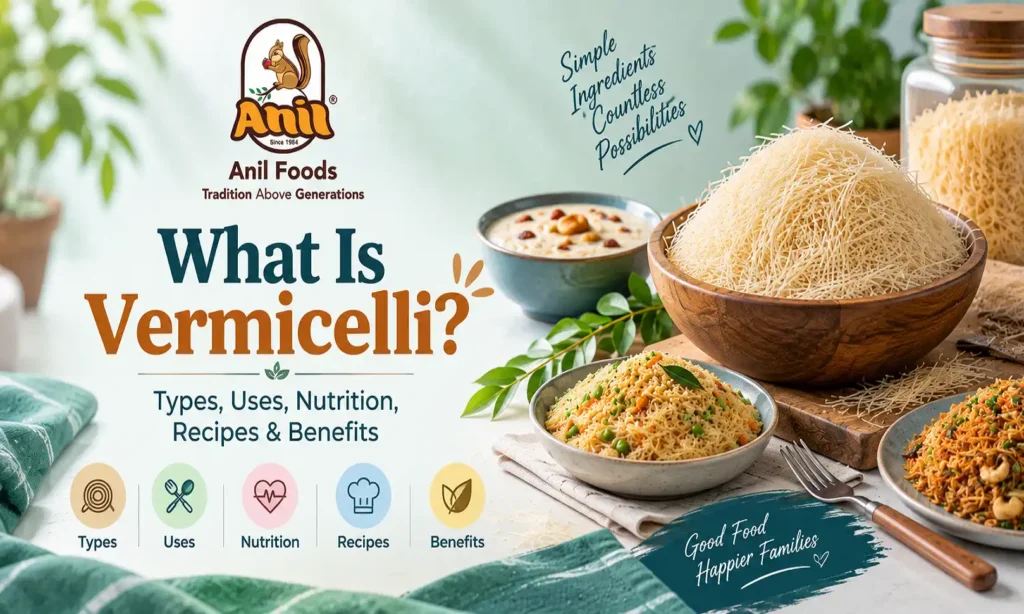
Walk into most Indian kitchens and you’ll likely find a packet of thin, thread-like noodles called semiya or seviyan. But what is vermicelli, and what is it actually made from?
Vermicelli is a very thin type of noodle traditionally made from grains such as wheat or rice, with millet-based varieties also available. It cooks quickly and can be used in everything from savoury semiya upma and lemon semiya to sweet dishes such as payasam and seviyan kheer.
In this guide, we’ll look at what vermicelli is, the different types available, its approximate nutrition, common uses, health considerations, and easy recipes you can try at home.
What Is Vermicelli?
Vermicelli literally means “little worms” in Italian, a reference to its long, thin shape. In India, it’s better known as semiya (Tamil/Telugu/Malayalam) or seviyan (Hindi), and it has been part of regional cooking for generations from Tamil Nadu’s semiya upma to the seviyan kheer served during festive occasions in North India.
Visually, vermicelli looks like fine, hair-thin strands, usually sold either straight or coiled into small nests. Depending on the type, the strands can be pale white, slightly golden, or light brown if roasted. Texturally, cooked vermicelli is soft and delicate, cooking far faster than regular pasta or noodles because the strands are so thin.
While the Italian version of vermicelli is typically made from durum wheat semolina, Indian vermicelli is more varied. It may be made from wheat, rice, or, increasingly, millets, and the ingredients used directly affect its taste, texture, and gluten content which is why it’s worth understanding the differences before you buy a packet.
What Is Vermicelli Made Of?
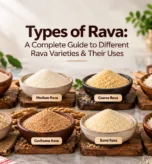
Vermicelli can be made from different grains or flours depending on the variety. Common ingredients include:
- Wheat flour or semolina – commonly used for wheat-based vermicelli.
- Rice flour – used to make rice vermicelli, which is naturally gluten-free when no gluten-containing ingredients are added.
- Millet flour or millet blends – used in varieties made with ragi, thinai, kambu, varagu and other millets.
- Refined wheat flour (maida) – used in some refined vermicelli products.
The exact ingredients, nutritional value and cooking method vary by product, so check the ingredient list and nutrition panel on the package before buying.
Types of Vermicelli
Beyond the base ingredient, vermicelli is also categorised by texture and preparation.
Wheat Vermicelli
The everyday choice for both upma and kheer. It has a mild, slightly nutty taste and a firm bite when cooked correctly. It contains gluten, so it isn’t suitable for people who need to avoid it.
Rice Vermicelli
Rice vermicelli is naturally gluten-free when made entirely from rice, but people with coeliac disease should check the ingredient and allergen information and look for suitable gluten-free labelling where necessary.
Millet Vermicelli
Comes with an earthier flavour and generally more fibre than refined wheat or maida versions, depending on the millet used. Suits people looking to diversify their grain intake beyond wheat and rice, though it isn’t automatically “better” for everyone, portion and overall diet still matter.
Maida Vermicelli
Softer and quicker to cook, but lower in fibre than whole-wheat or millet versions. Often used in instant or economy product lines.
Roasted Vermicelli
Roasted vermicelli is lightly roasted before cooking, giving the strands a golden colour and a slightly nutty aroma. Because it has already been roasted, it is convenient for dishes such as upma and payasam and generally needs less additional roasting during preparation.
Unroasted Vermicelli
Less common in retail but sometimes homemade, unroasted vermicelli has a paler colour and softer bite. It needs slightly more care during cooking to avoid clumping or overcooking.
No single type is universally “best”; the right choice depends on your dietary needs (such as gluten avoidance), the dish you’re making, and your personal preference for texture and flavour.
Vermicelli Nutrition
Because formulations vary widely by brand and by the exact grain blend used, the figures below are approximate per 100g (dry) and meant only as a general guide.
| Nutrient | Wheat Vermicelli | Rice Vermicelli | Millet Vermicelli |
|---|---|---|---|
|
Calories |
350–365 kcal
|
355–365 kcal |
340–360 kcal |
|
Carbohydrates |
72–75 g |
78–80 g |
68–72 g |
|
Protein |
9–11 g
|
6–7 g |
9–12 g |
|
Fat |
1–2 g |
0.5–1 g |
2–4 g |
|
Fibre |
2–4 g |
1–2 g |
4–8 g |
|
Gluten |
Usually present |
Usually absent
|
Usually absent, but verify the label |
Nutrition values can vary depending on the ingredients, recipe, processing method, and brand. Always check the product label for exact information.
Is Vermicelli Healthy?
There’s no single yes-or-no answer here it depends on several factors working together:
- The type of vermicelli you choose (whole-wheat and millet versions generally carry more fibre than maida-based ones).
- The ingredient list, since some packaged versions include added salt or oil.
- Portion size, as with any carbohydrate-rich food.
- The cooking method matters, as lightly sautéing or preparing vermicelli with vegetables is different from deep-frying vermicelli-based snacks.
- What you add to it, loading a bowl of semiya upma with vegetables and a source of protein like lentils, paneer, or eggs makes for a more balanced meal than plain vermicelli alone.
- Sugar, ghee, and toppings, particularly in sweet preparations like seviyan kheer, where the added sugar and ghee can significantly change the overall nutritional picture.
A simple comparison: a vegetable-loaded semiya upma made with a teaspoon of oil is a fairly balanced light meal, while a vermicelli dessert made with generous ghee, sugar, and dried fruit is better suited as an occasional treat rather than an everyday food.
Common Uses of Vermicelli
Provides Energy
As a carbohydrate-based food, vermicelli is a quick source of energy, which is one reason it works well for breakfast or a light meal before physical activity.
Easy to Prepare
Because the strands are so thin, vermicelli cooks in a matter of minutes a practical advantage on busy mornings or for quick weeknight dinners.
Versatile for Sweet and Savoury Dishes
Few everyday ingredients move as easily between a spicy upma and a sweet kheer as vermicelli does, which makes it genuinely useful across breakfast, lunch, dinner, and dessert.
Can Be Combined with Vegetables and Protein
Vermicelli acts as a neutral base, so it pairs well with vegetables, lentils, paneer, tofu, or eggs, which can help round out a meal’s overall nutrition.
Millet and Whole-Grain Options May Provide More Fibre
Millet-based and whole-wheat vermicelli generally contain more fibre than maida versions, which may help with satiety and digestive comfort as part of a balanced diet. Millets are also recognised as nutrient-rich cereal grains and are available in several varieties.
Rice Vermicelli Can Suit Gluten-Free Diets
For people who need to avoid gluten, rice vermicelli offers a familiar noodle-style option that fits into idiyappam, stir-fries, and noodle bowls.
Benefits of Including Vermicelli in Your Diet
Vermicelli’s versatility is a big part of its everyday appeal in Indian households:
- Semiya upma – a quick, savoury breakfast tempered with mustard seeds, curry leaves, and vegetables, typically made with roasted vermicelli.
- Seviyan kheer – a festive milk-based dessert, often made for occasions like Eid or family celebrations, using a finer, quick-cooking strand such as roasted payasam vermicelli.
- Vegetable vermicelli – stir-fried with mixed vegetables for a light lunch or dinner.
- Idiyappam – steamed rice-flour strands, popular in Kerala and Tamil Nadu, now also available as a ready mix such as instant idiyappam.
- Vermicelli payasam – a South Indian variation of the sweet milk pudding.
- Lemon semiya – a tangy, tempered vermicelli dish, often made using a ready lemon vermicelli mix for convenience.
- Vermicelli biryani – a one-pot, semiya-based spin on biryani, made easily with biryani vermicelli.
- Snacks and salads – rice vermicelli tossed with fresh vegetables, herbs, and a light dressing.
Vermicelli Recipes: Step-by-Step Preparation Guide
Here’s how to prepare a few popular vermicelli dishes at home, along with the type of vermicelli that suits each one. These use everyday Anil Foods vermicelli varieties, but the methods work with any brand of the same type.
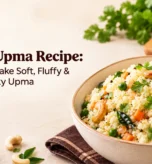
1. Classic Semiya Upma (Wheat/Roasted Vermicelli)
A staple South Indian breakfast, ready in under 20 minutes.
You’ll need: 1 cup Anil Roasted Vermicelli, 1 tsp oil, 1 tsp mustard seeds, 1 chopped onion, mixed vegetables (carrot, beans, peas), curry leaves, 1–2 green chillies, 2 cups water, salt to taste.
- Heat oil in a pan, add mustard seeds and let them splutter, then add curry leaves and green chillies.
- Add the chopped onion and sauté until translucent, then add the mixed vegetables and cook for 2–3 minutes.
- Add water and salt, and bring it to a boil.
- Add the vermicelli gradually, stirring continuously so it doesn’t clump.
- Cover and cook on low heat for 3–5 minutes until the vermicelli softens and absorbs the water.
- Fluff with a fork and serve hot, optionally topped with a squeeze of lemon or fresh coriander.
Since Anil’s roasted vermicelli is pre-roasted, it holds its shape well and doesn’t turn mushy, useful for a non-sticky upma.
2. Millet Vermicelli Upma (Ragi, Thinai, Kambu, or Varagu Vermicelli)
A simple variation of classic upma using millet-based vermicelli.
You’ll need: 1 cup Ragi Vermicelli, Thinai (foxtail millet) Vermicelli, Kambu (pearl millet) Vermicelli, or Varagu (kodo millet) Vermicelli; the same tempering ingredients as above.
- Follow the same tempering and vegetable-sautéing steps as the classic upma.
- Add water in a slightly higher ratio (millet vermicelli can absorb a little more liquid check the pack instructions, since this varies by millet).
- Add the millet vermicelli, stir well, cover, and cook on low heat until tender, usually 4–6 minutes.
- Rest for a minute before serving so the strands firm up slightly.
Millet vermicelli has a slightly earthier taste than wheat vermicelli and, depending on the millet used, generally carries more fiber, a useful way to include different grains in your weekly meals.
Product Sources:
3. Seviyan Kheer (Roasted Payasam Vermicelli)
A festive, milk-based dessert popular during Eid and other family celebrations.
You’ll need: 1 cup Anil Roasted Payasam Vermicelli, 2 tbsp ghee, 3–4 cups full-fat or toned milk, sugar or jaggery to taste, a few cashews and raisins, a pinch of cardamom powder.
- Heat ghee in a heavy-bottomed pan and lightly roast the vermicelli (skip this step if using a pre-roasted variety) along with the cashews and raisins until golden.
- Add the milk and bring it to a gentle boil, stirring occasionally to prevent sticking.
- Simmer on low heat until the vermicelli is soft and the kheer thickens slightly, about 8–10 minutes.
- Stir in sugar or jaggery and cardamom powder, and simmer for another 2 minutes.
- Serve warm or chilled.
Because kheer’s overall nutrition profile is shaped mainly by added sugar and ghee, keeping portions modest and going easy on the sweetener is the simplest way to make it a little lighter without changing the dish.
4. Lemon Semiya (Lemon Vermicelli)
A tangy, South Indian breakfast or tiffin-box favourite.
You’ll need: 1 pack Anil Lemon Vermicelli (comes with its own masala mix), 1 tsp oil, mustard seeds, curry leaves, peanuts, fresh lemon juice, water as per pack instructions.
- Cook the vermicelli in boiling water as per the pack instructions, then drain and set aside.
- Heat oil, temper with mustard seeds, curry leaves, and peanuts.
- Add the cooked vermicelli along with the masala sachet, and toss well.
- Finish with fresh lemon juice just before serving for a brighter, tangier flavour.
5. Vermicelli Biryani (Biryani Vermicelli)
A quicker, semiya-based take on biryani for a weeknight dinner.
You’ll need: 1 pack Anil Biryani Vermicelli, mixed vegetables or a protein of choice (paneer, soya chunks, or chicken), 1 chopped onion, 1 tomato, whole spices (bay leaf, cinnamon, cloves), oil or ghee.
- Sauté the whole spices and onion in oil until golden, then add the tomato and cook until soft.
- Add your chosen vegetables or protein and cook until nearly done.
- Add water as per the pack instructions along with the biryani vermicelli and its spice mix.
- Cover and cook on low heat until the vermicelli is tender and the water is absorbed.
- Rest for 5 minutes before fluffing and serving with raita.
6. Rice Vermicelli Noodle Salad (Gluten-Free Option)
A light, gluten-free option that works well as a salad or a simple stir-fry.
You’ll need: 1 cup Anil Rice Vermicelli, julienned vegetables (carrot, cabbage, capsicum), a light dressing (lime juice, a dash of soy sauce or salt, sesame oil), roasted peanuts or sesame seeds.
- Soak the rice vermicelli in hot water for 8–10 minutes, or cook briefly as per the pack instructions, then drain and cool.
- Toss the vermicelli with the julienned vegetables.
- Add the dressing and toss well.
- Top with roasted peanuts or sesame seeds and serve fresh.
How to Prepare Vermicelli in a Healthier Way
Beyond choosing the right recipe, a few simple adjustments can shift vermicelli-based meals in a more balanced direction:
- Choose whole-wheat or millet vermicelli such as ragi, thinai, kambu, or varagu vermicelli over maida-based versions when fibre matters to you.
- Add vegetables generously: carrots, beans, peas, and onions all work well in upma-style preparations.
- Include a protein source, such as lentils, paneer, tofu, soya chunks, or eggs, to make the meal more filling.
- Go easy on oil or ghee, and use methods like steaming or light sautéing rather than deep-frying.
- In sweet preparations like kheer, moderate the added sugar and ghee, and consider portion size rather than cutting the dish out entirely.
- If you’re cooking for a mixed household with different needs, keep both a wheat-based and a rice or millet-based vermicelli on hand. A millet vermicelli combo is a convenient way to try a few millet varieties together.
Vermicelli vs Noodles
Vermicelli is a type of very thin noodle, but the terms are not always used in exactly the same way across cuisines. Vermicelli is usually finer and thinner than standard noodles, so it tends to cook more quickly.
In Indian cooking, vermicelli is commonly made from wheat, rice or millet and is widely used in dishes such as semiya upma, payasam and idiyappam. The word “noodles” covers a much broader range of products made with different grains, shapes and ingredients, including wheat noodles, rice noodles and instant noodles.
The nutritional value of either one depends on the ingredients and how it is prepared. Rather than assuming that vermicelli is healthier than noodles, compare the ingredient list, fibre, sodium and other nutrition information on the package.
Frequently Asked Questions (FAQs)
1. What is vermicelli?
Vermicelli is a thin, thread-like noodle made from grains such as wheat, rice, or millet. In India, it’s commonly known as semiya or seviyan and is used in both savoury and sweet dishes.
2. What is vermicelli made of?
It’s typically made from wheat flour, rice flour, millet flour, or maida (refined wheat flour), depending on the type and brand. Always check the ingredient label for specifics.
3. Is vermicelli healthy?
It can be part of a balanced diet, depending on the type chosen, portion size, cooking method, and what it’s paired with. Whole-wheat and millet versions generally carry more fibre than maida-based ones.
4. Is vermicelli good for weight loss?
Vermicelli isn’t inherently a “weight-loss food,” but choosing higher-fibre types, controlling portions, adding vegetables and protein, and limiting oil, ghee, and sugar can make it fit into a calorie-conscious diet.
5. Can people with diabetes eat vermicelli?
This depends on individual health needs, portion size, and the overall meal composition. People managing diabetes should consult a doctor or registered dietitian for personalised guidance rather than relying on general information.
6. Is vermicelli gluten-free?
Rice vermicelli and most millet vermicelli are naturally gluten-free, while wheat and maida-based vermicelli contain gluten. Always check the label, since processing and blends can vary.
7. What are the common uses of vermicelli?
It’s used in savoury dishes like upma and vegetable stir-fries, sweet dishes like kheer and payasam, and rice-vermicelli-based preparations like idiyappam.
8. What is the difference between vermicelli and noodles?
Vermicelli strands are generally thinner and cook faster than standard noodles. The grains used and typical preparation styles also differ, with vermicelli more closely tied to Indian cooking traditions and noodles often associated with East and South-East Asian cuisines.
9. Is vermicelli made from rice or wheat?
Vermicelli can be made from wheat, rice, millet or refined wheat flour (maida), depending on the variety and brand. Check the ingredient list on the package to know which flour has been used.
Conclusion
Vermicelli is a simple, versatile ingredient that can be used in far more ways than just semiya upma or payasam. From wheat and rice varieties to millet-based options, different types offer different textures, flavours and nutritional profiles.
There is no single “best” vermicelli for everyone. The right choice depends on the ingredients, your dietary needs, portion size and how you prepare it. Pairing vermicelli with vegetables and a good source of protein can also turn a simple serving into a more balanced meal.
So, the next time you pick up a packet of vermicelli, check the ingredients, choose the variety that suits your needs, and enjoy it in a dish you love.
Table of Contents